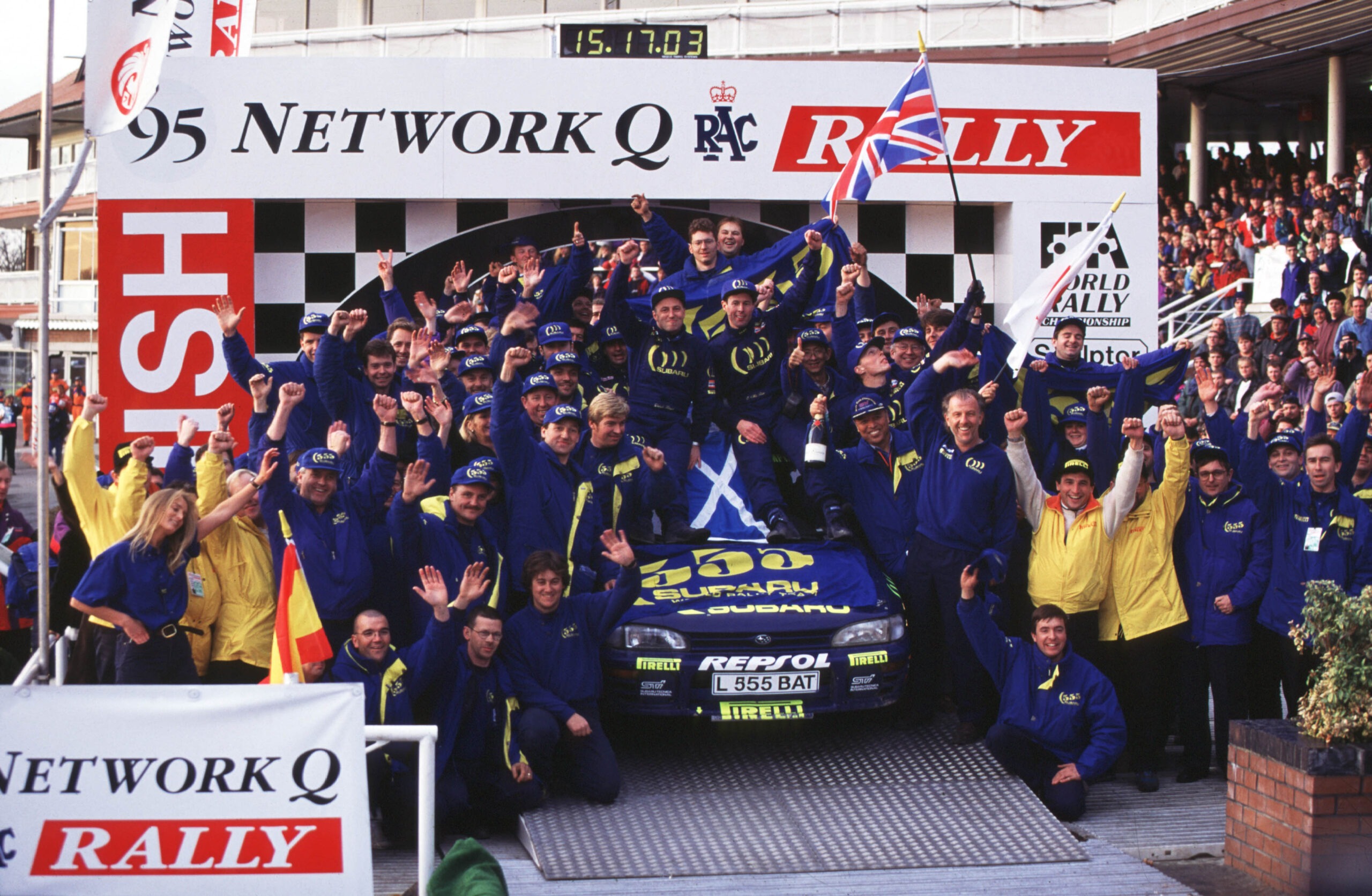
When the WRC arrives in north-east Scotland in 2027, it will bring the championship to Scotland for the first time as a full championship round. It will play out on roads, in forests and among fans with a deep connection to rallying’s past, present and future.
At the centre of that story is Colin McRae. Born in Lanark, in south central Scotland, McRae became the first British driver to win the World Rally Championship in 1995, with fellow Scot Derek Ringer alongside him as co-driver. That title made him a champion. The video games bearing his name then made him a cultural figure, introducing rallying to people who had never stood in a forest and heard a car arrive before they could see it.
But the Scottish story was never only about Colin. It is about a country that has kept producing drivers, co-drivers and events able to leave a mark on the sport. Still, fair play to the McRaes: for one family, they take up a lot of pages in the rallying record books.
Jimmy McRae, Colin’s father, won the British Rally Championship five times and helped set the standard for Scottish rallying long before the WRC title came home. Colin’s brother, Alister, carried the family name onto the world stage, winning the British Rally Championship in 1995 and the Asia-Pacific Rally Championship in 2011.
Now another generation is adding to the story. Max McRae, Alister’s son and Colin’s nephew, won his first British Rally Championship event last year, keeping one of rallying’s most famous names at the top of the timesheets.
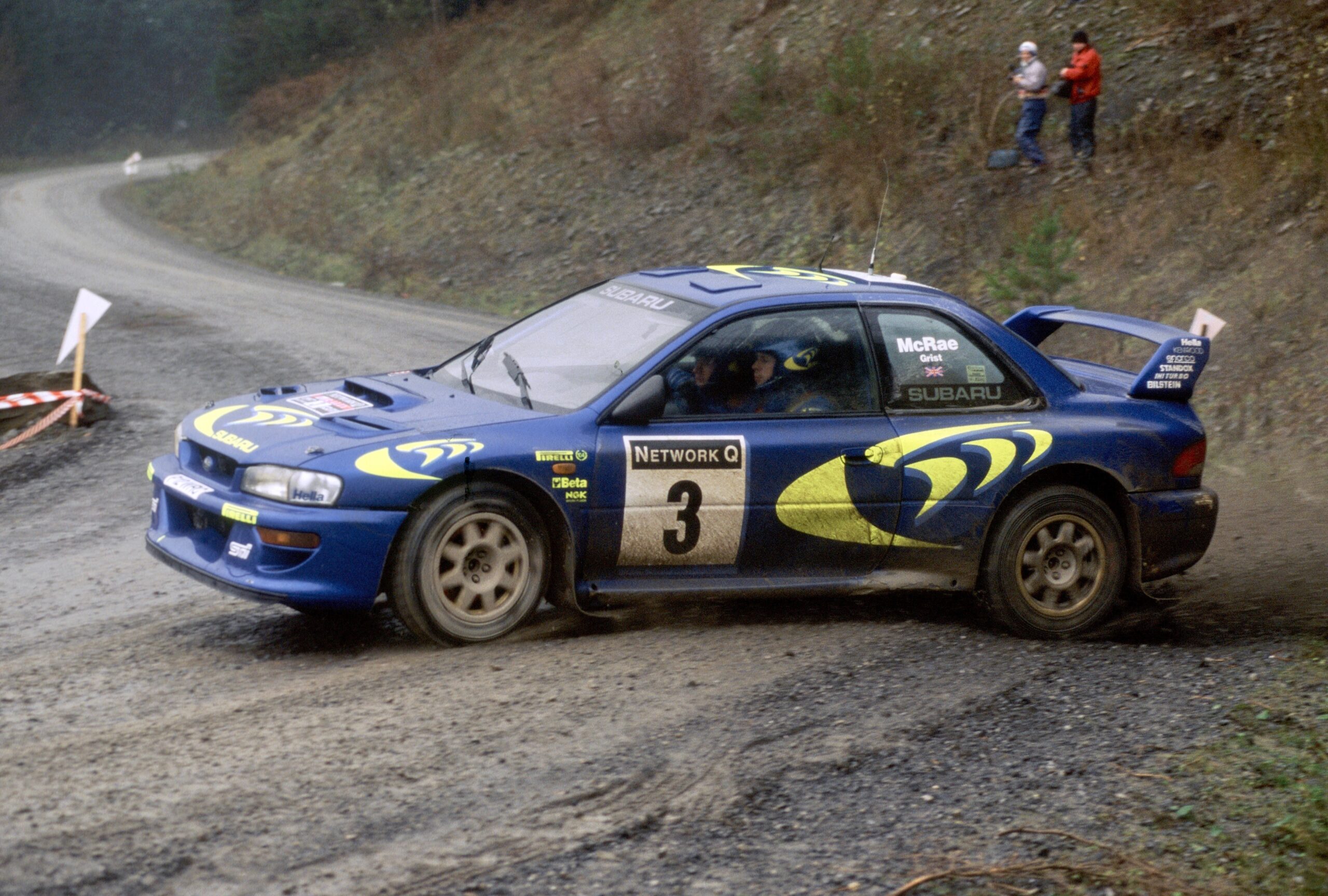
Above: Colin McRae on his way to another Network Q RAC Rally win in 1997.
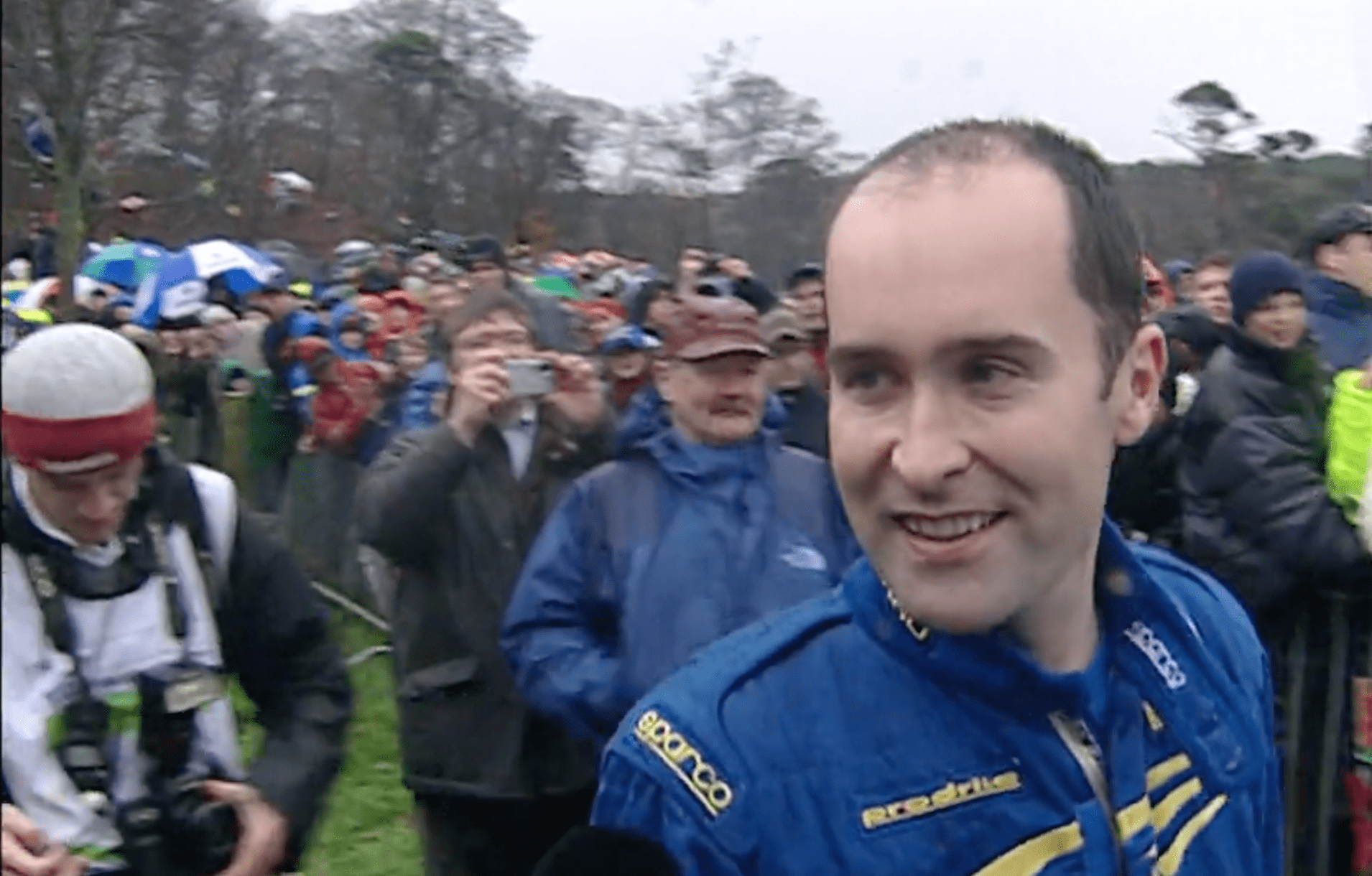
Scotland’s world rallying story also includes Robert Reid. From Perthshire, Reid co-drove Richard Burns to the 2001 World Rally Championship title and later became one of the sport’s senior figures in governance. Louise Aitken-Walker, from Duns, became FIA Ladies World Rally Champion in 1990 and received the Segrave Trophy for her achievements.
The strength runs through the domestic scene too. David Bogie, from Dumfries, became British Rally Champion in 2011 and has won the Scottish Rally Championship six times.
The point is not that Scotland can produce a list of notable names. Plenty of countries can do that. The point is that rallying has remained part of Scotland’s sporting fabric for decades, from world champions and national title winners to the clubs, volunteers and fans who have kept events alive.
That is especially true in the north-east, where forest rallying has long had both credibility and character. The Voly Grampian Forest Rally, formerly the Granite City Rally, has shown for years why these roads belong at the highest level. The challenge comes from the surface, the speed, the rhythm of the road and the fact that conditions can shift quickly. Sunshine, mist and rain can all arrive in the same afternoon. In rallying, that only adds to the appeal.
Rally Scotland will be a first for the WRC record books. But it should not be mistaken for a first step. In 2027, the championship will finally come to a country, and to a region, that has long sounded, looked and felt like it belonged on the world stage.
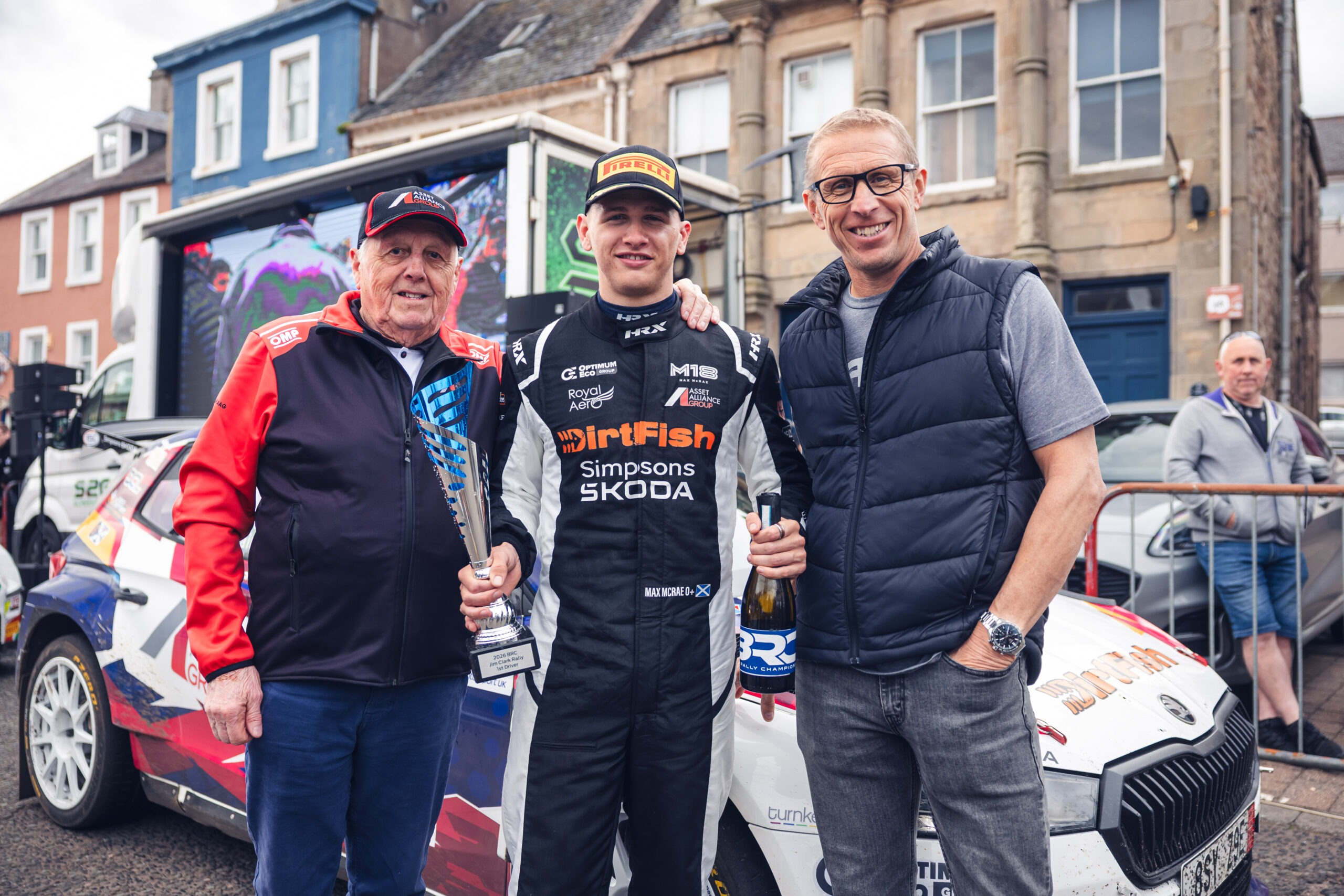
Above left – Left to right: Jimmy, Max and Alastair McRae
Above right – Perthshire’s Robert Reid co-drove Richard Burns to the 2001 WRC title